Improving Fleet Safety Using Advanced Video Tracking Technology
Introduction to Modern Fleet Monitoring
In today’s fast-moving transportation environment, safety and efficiency have become major priorities for fleet operators. Businesses that rely on transportation systems need effective ways to monitor vehicles, drivers, and road conditions. Traditional tracking systems provided only location data, but modern technologies now combine visual monitoring with real-time tracking to create smarter fleet management solutions.
One of the most powerful innovations in this field is vehicle tracking with video, which allows companies to monitor vehicle movement while simultaneously recording what happens on the road. This technology not only improves operational transparency but also helps companies respond quickly to incidents, improve driver behavior, and maintain better control over their transportation networks.
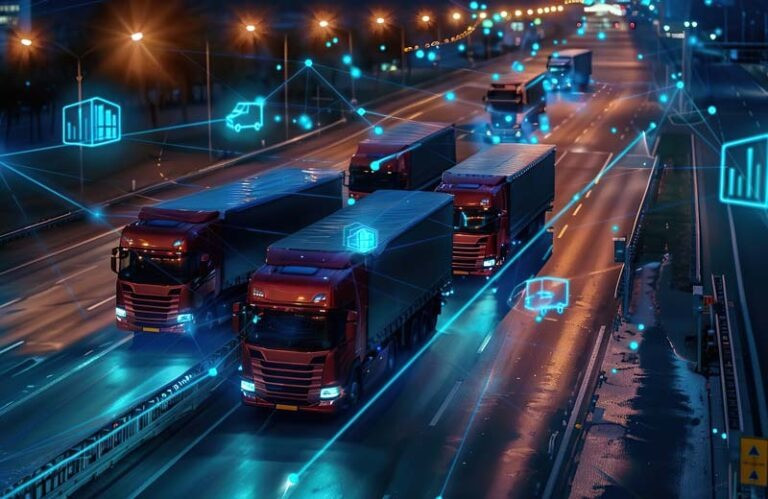
As transportation industries continue to evolve, these intelligent monitoring systems are becoming an essential part of modern fleet operations.
The Evolution of Vehicle Monitoring Systems
Vehicle monitoring systems have significantly evolved over the past decade. Earlier solutions mainly focused on GPS-based tracking that provided location updates and travel history. While these systems helped organizations understand routes and travel times, they lacked visual evidence that could explain what actually happened during specific events.
With the integration of video technology, tracking systems now offer a more comprehensive view of vehicle activity. Systems designed for vehicle tracking with video capture real-time footage of the road, driver behavior, and surrounding traffic conditions. This combination of location data and video recordings allows fleet managers to analyze incidents more accurately.
The ability to review visual evidence is particularly valuable in situations involving traffic accidents, sudden braking, or unexpected route changes. By examining video footage alongside tracking data, companies can gain deeper insights into operational challenges and improve overall fleet performance.
Enhancing Driver Safety and Accountability
Driver safety is one of the most critical aspects of fleet management. Long hours on the road, unpredictable traffic conditions, and demanding delivery schedules can increase the risk of accidents. Technology plays an important role in helping companies support their drivers while maintaining safe driving standards.
The use of commercial vehicle dash cameras has become increasingly common in transportation fleets. These cameras continuously record road activity and driver behavior, providing valuable insights that help organizations identify potential safety concerns. Footage captured by these systems can reveal patterns such as sudden lane changes, distracted driving, or unsafe following distances.
By reviewing this data, fleet managers can provide constructive feedback to drivers and encourage safer driving habits. Drivers themselves often benefit from these systems because recorded footage can clarify situations where they may have been unfairly blamed for incidents. In many cases, video evidence helps demonstrate responsible driving behavior and protects drivers from false claims.
Improving Fleet Efficiency Through Smart Technology
Beyond safety, modern monitoring systems also contribute to improved operational efficiency. Companies managing large fleets must constantly balance delivery schedules, fuel usage, and route optimization. Advanced tracking solutions allow managers to monitor vehicle movement in real time and make informed decisions based on accurate data.
When organizations implement vehicle tracking with video, they gain a clearer understanding of how their vehicles operate on the road. Video footage can reveal traffic patterns, delays caused by road conditions, or inefficiencies in route planning. This information helps companies refine their strategies and create more efficient transportation workflows.
Similarly, commercial vehicle dash cameras provide visual documentation that supports better training programs. New drivers can learn from real-world driving scenarios captured on video, which helps them understand how to respond to different road situations. This practical learning approach improves driver confidence and prepares them for complex driving environments.
Strengthening Security and Incident Management
Security is another major advantage of integrating video technology into fleet management systems. Vehicles transporting valuable goods or operating in high-traffic areas require reliable monitoring to ensure both driver safety and cargo protection.
Video-based tracking systems help organizations detect unusual activity or suspicious behavior around vehicles. In the event of an incident, recorded footage becomes a valuable tool for investigation and documentation. Managers can review the sequence of events and determine the most appropriate response.
In situations involving accidents or disputes, the presence of commercial vehicle dash cameras provides clear visual evidence that can help resolve conflicts quickly. This transparency reduces uncertainty and supports fair decision-making.
The Future of Smart Fleet Technology
The transportation industry continues to adopt innovative technologies designed to improve safety, efficiency, and reliability. Video-enabled monitoring systems are expected to become even more advanced as artificial intelligence and data analysis tools evolve.
Future developments may include automated alerts that detect risky driving behavior, real-time hazard detection, and advanced analytics that help companies predict potential issues before they occur. As these technologies improve, systems like vehicle tracking with video will play an even greater role in shaping the future of fleet management.
By combining visual monitoring with intelligent tracking solutions, transportation companies can create safer roads, protect their drivers, and build more efficient logistics networks. These advancements represent an important step toward a smarter and more secure transportation ecosystem.


Comments
Post a Comment